Not all car descriptions are true, with many being nothing more than simple untrue myths and distortions
By Richard Lentinello
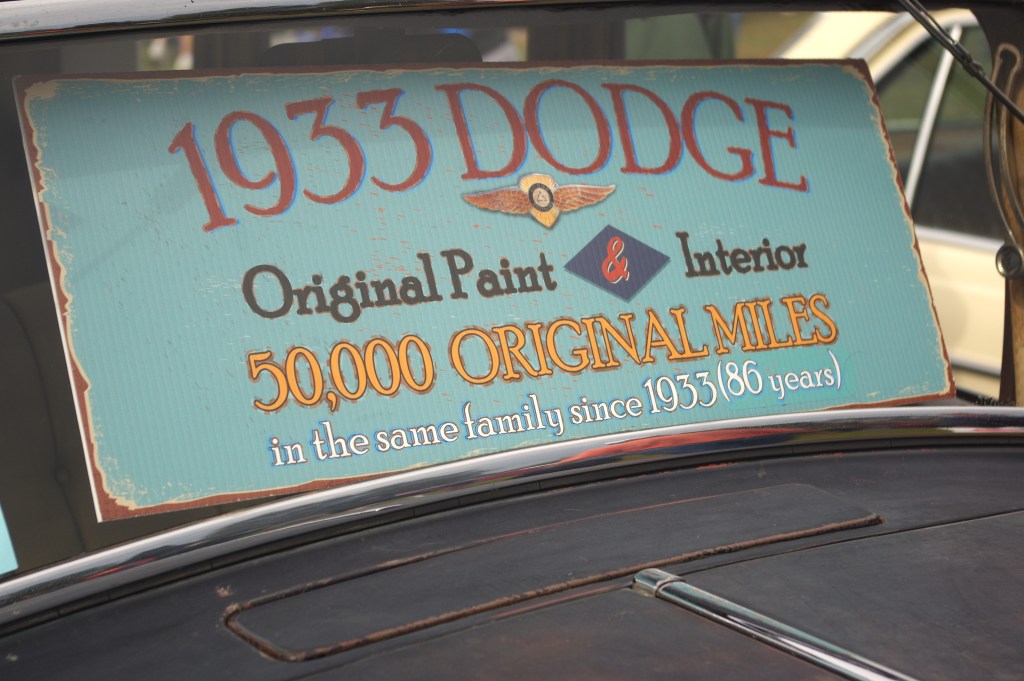
Have you ever read a story about a car that is filled with not only inaccurate information but numerous misrepresentations of the facts? Stories with specific terms and descriptions that have been exaggerated to the point where they just aren’t completely true. Like folktales of old, enthusiasts new to the collector car hobby adopt these falsehoods because they just don’t know any better. So, let’s set the record straight.
The bigger the engine the greater the demand:
Not everyone who owns a performance car wants a big-block V-8 under their hood. Small-block V-8s are lighter, so the car will handle better and steer easier. Sometimes a larger engine can be overstressed, which can make it less durable and overheat quicker. Also keep in mind that in today’s world, an engine that is more fuel efficient is more desirable, especially for those owners who plan to drive their old cars regularly.
Conversely, because most collector cars are rarely driven more than 1,500 miles annually, gas mileage is not an issue. Many car owners prefer the fun and excitement of driving old cars with a big horsepower engine, and for them that’s the ideal type of car to buy. It’s a simple matter of buying what you want.
Value wise, the bigger and more powerful the engine the higher that particular car’s value will be. This is mainly so because, in nearly all cases, fewer of those models were originally made. Thus, it’s a simple case of today’s demand exceeding supply.
Convertibles are worth more:
In most cases this may be true, because as the saying goes: “when the top goes down, the price goes up.” However, that doesn’t mean that convertibles are more desirable. Not everyone who is planning to purchase a collector car wants a convertible. Many enthusiasts prefer the security and comfort of a fixed roof, be it a hardtop or sedan style. For those who enjoy spirited driving on curvy roads, a fixed-roof car handles far better because their body structure is stiffer due to the attached roof, thus their chassis don’t flex as much as convertible bodies do. Nonetheless, convertibles are certainly worth more than their hardtop counterparts, and in some cases can be worth 50% or more in value, although the more usual amount is more like a 30-40% premium.
New paint makes a car more saleable:
Always be suspicious of cars with new paint. Why? Because if a car has been painted right before it’s been listed for sale, chances are that the seller may be hiding something. Of course this may not always be the case. Sometimes, a fresh coat of paint is hiding rust or worse, accident damage. Also be aware of cars that were originally a dark color that have been repainted white, or a similar light color, because the lighter the color the less body repairs or body filler will be noticeable. The darker the exterior color the easier it will be for you to see flaws in the bodywork.
In reality, it’s easier to sell a car that still wears its old original paint, even if that paint is faded and scratched simply because that car is more honest. Original paint allows buyers to see firsthand just how authentic that car’s condition truly is because it proves that there’s no body damage. In many cases, cars with their original paint will command a far higher price because unrestored original cars are fast becoming the most desirable type of collector cars to own in view of the fact that so few of them remain.
100% Original, New Paint and Interior:
Any major component that has been replaced or refinished renders a car non-original. The car may be restored or rebuilt to original specifications, but it’s not original. Authentic original cars still wear the same paint the factory applied when it was first built, and upholstery, drivetrain and everything else, too. As soon as a car is repainted, or its interior or engine replaced, it is no longer original. It may have had an original-type restoration, but it is not original. Like they say, it’s only original once.
Mint Condition:
This is the ultimate falsehood. The only man-made object that can be labeled “mint” is an un-circulated coin that has never been touched by human hands. Even cars that had just rolled off the assembly line cannot be considered mint because they had greasy handprints all over them. So don’t be fooled by this overused, miss-labeled term.
In general, the term “mint” refers to a car that is in perfect condition. Not necessarily original condition, but general overall condition. “Mint condition” is generally used by amateurs new to the hobby who truly don’t know any better. Rarely, if ever, is it a term used by professionals and knowledgeable enthusiasts.
So, when you see “mint condition” being used in a classified ad, don’t get your hopes up thinking that this may be a perfect car because nine times out of 10 it will be anything but perfect.
One Owner:
Few cars being sold today are being sold by the person who bought it new. Whether the seller’s name is on the title or not, if the person selling the car did not buy the car when it was brand new, then it’s not a one-owner car. Not that this really matters to many buyers, but we need to state, and know, the facts as they are. It’s not good to be misled by a dealer or private seller into thinking otherwise.
There are numerous advantages to buying a one-owner car. In nearly all cases, an original owner is a vigilant owner, and the reason he has kept his car for a long period of time is because he has had such a strong connection and appreciation for it. As a result of their devotion to that car, more than likely they took care of that automobile far more attentively than a car that has had numerous owners. And that means that a one-owner car usually will be in better condition, has been maintained properly, and hasn’t been abused or messed with in any negative way. One-owner cars thus tend to be better preserved and more original than cars that have had multiple owners. This is the reason one-owner cars are worth more, and why they usually command a premium price.