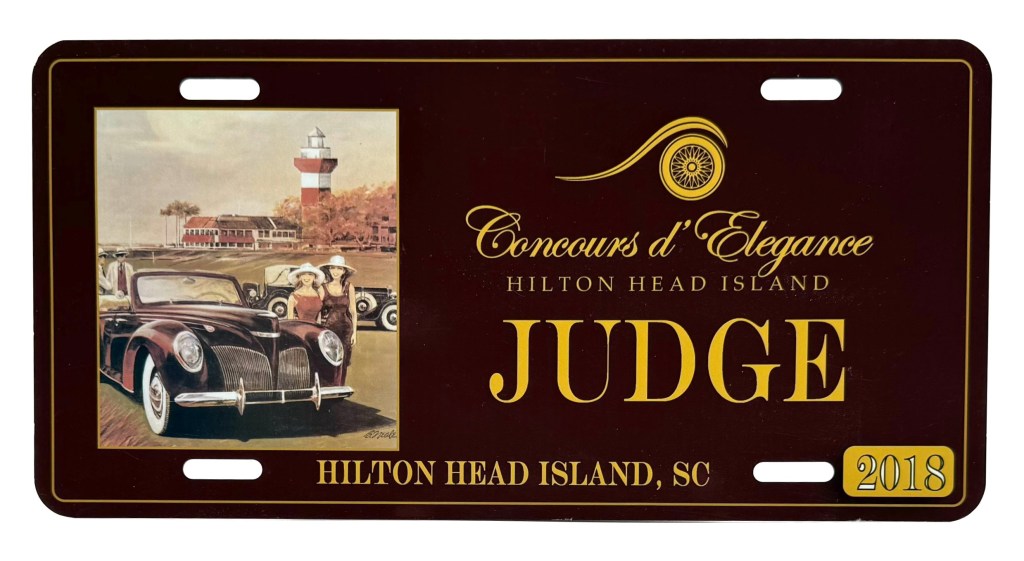
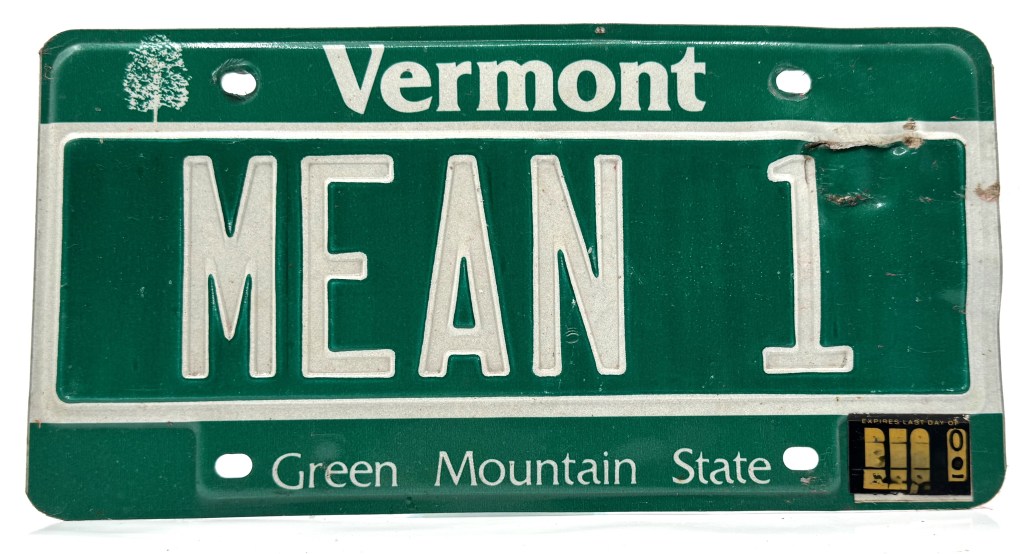
More than just a tag, license plates have been made to honor all different types of cars and events

One of the more interesting and easier to collect automobilia item is license plates. Also known as tags in some areas of the country, license plates have been around nearly as long as the automobile. Not only are older plates historic in many ways, and fairly valuable depending on their rarity and condition, but they make engaging conversation pieces while adding a splash of color to your walls when displayed in a grouping.
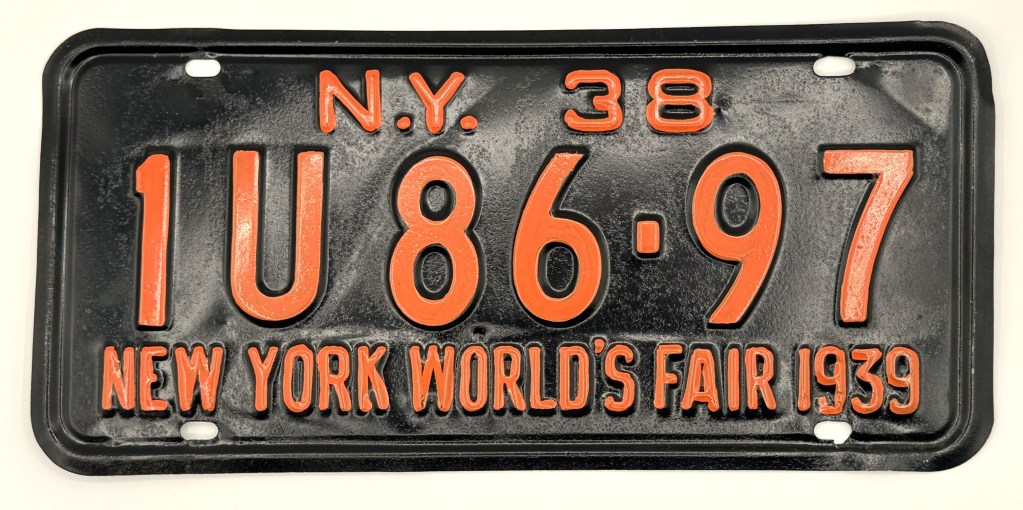
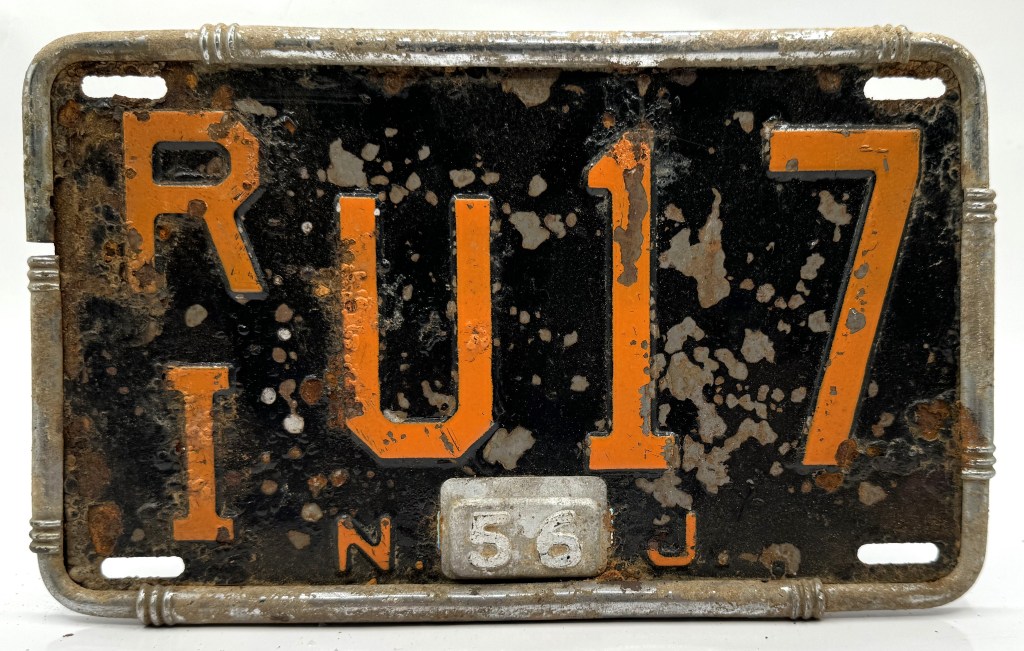
Old plates were usually square in size and made of thick metal, which is why many are found in very rusty condition; but they can be easily restored and repainted if one so chooses. And plates from a specific year, such as the 1939 New York World’s Fair plate shown here are highly sought after.
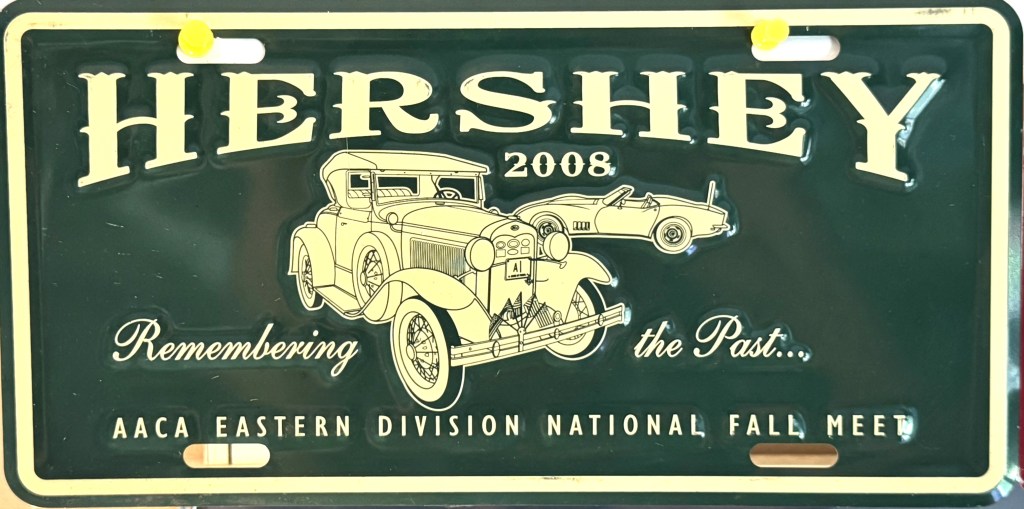
But license plates don’t have to be old to collect. There are many varieties, such as commemorative plates that celebrate an anniversary, plates for specific brands of cars and models, and souvenir plates from car shows and other automotive theme events. One of the more popular event plates is produced by the AACA for the annual Eastern Division National Fall Meet in Hershey. Made of metal, each year a different plate is marketed to celebrate that year’s event and costs a mere $5 each.


European plates such as the horizontal numbers plates from England add to the allure of any collection. The older of my four English plates is made of a fairly thick aluminum, while the two more modern plates are a thick plexiglass. Speaking of foreign plates, when traveling abroad check local antique stores and flea markets where you’ll find plates from that country. They may be a little banged up, but that adds a bit of character to them.


When attending a swap meet, it’s always good to rummage through those boxes of license plates that are usually stashed under a vendor’s table. There you can find plates for the year your car was made or old plates that will simply make an interesting wall hanging. I collect old license plates with the year of my birth, which adds to the fun of the hunt.
On a recent trip to Italy, I bought souvenir plates from Rome, Pisa and Lucca. Costing about $10 each, each day that I admire them they remind me of the wonderful time we spent in each town.


Then there are vanity plates. Even if they’re not a plate you had ordered, vanity plates can be both thought-provoking to figure out what they mean while at the same time being quite amusing. And if you own a specific brand of automobile, it’s fun to collect plates of your favorite marque, as well as anniversary plates such as the plate below celebrating the 100th Anniversary of the Antique Automobile Club of America.